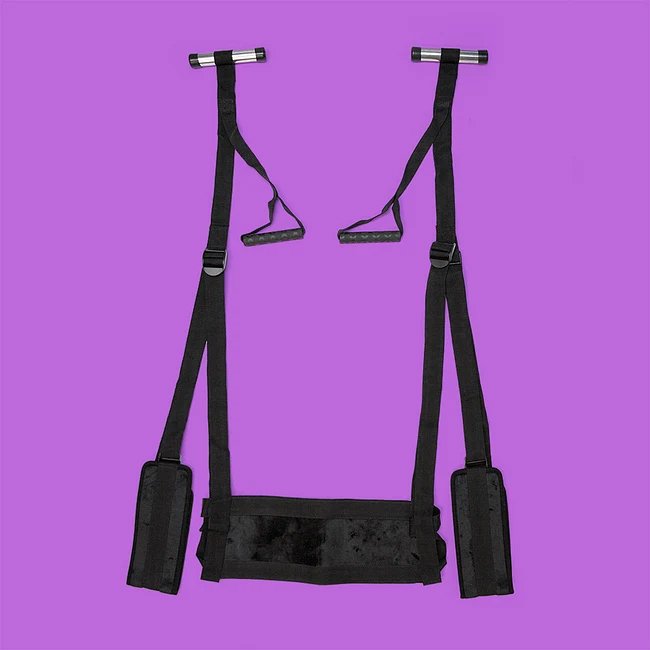
The first time I saw a door swing setup, I will admit, I hesitated.
Not because it looked extreme, but because it felt unfamiliar. There is something about being lifted, even slightly, that changes how you think about control, balance, and comfort.
I remember standing in the doorway, adjusting the straps, wondering if it would feel awkward or surprisingly natural.
The Soft Touch Door Swing sits right in that space. It looks simple. Almost too simple for what it promises. But once you step into it, the experience shifts in a way that is hard to ignore.
If you are curious whether the Soft Touch Door Swing is practical, comfortable, or just a novelty, this is a grounded look at how it actually feels to use.

First Impressions of the Soft Touch Door Swing
Out of the package, the design feels approachable.
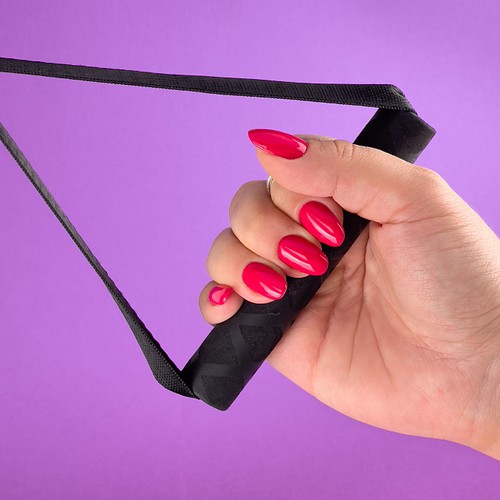
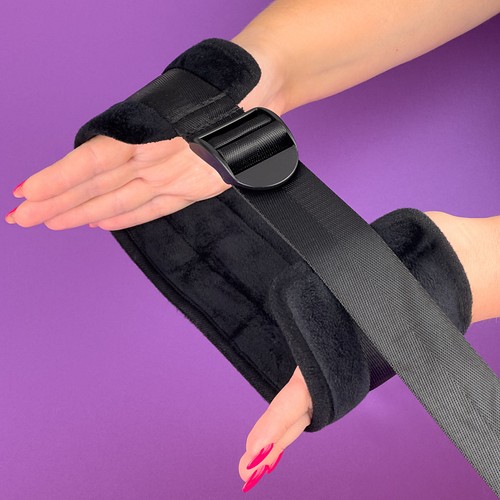
Soft padding. Adjustable straps. Nothing overly mechanical. That matters more than expected. Complicated setups can break confidence before you even begin.
The material feels smooth against the skin, which immediately reduces hesitation. There is no harshness here. No rigid edges.
Here is the thing. The name is accurate. The touch really is soft.
And that is where it gets interesting.
Because something designed for suspension could easily feel intimidating. This one does not.
What It Actually Feels Like to Use
The first moment of weight transfer is the most telling.
You lean back slightly. The swing takes your weight. And there is a brief pause where your body decides whether to trust it.
Then it settles.
Support spreads across the straps rather than focusing on one point. That distribution makes a noticeable difference. Instead of feeling like you are hanging, it feels more like you are held.
Most people do not realize this, but comfort determines how long you can stay present. If something feels unstable, your body tenses. Tension pulls you out of the moment.
With the Soft Touch Door Swing, the stability creates space for relaxation.
Have you ever noticed how quickly your body relaxes once it feels supported? That shift happens here.
A Real Life Scenario
I remember adjusting the straps slightly higher after the first try.
That small change altered everything.
The angle felt more natural. Movement became easier. Instead of thinking about balance, I started paying attention to sensation and rhythm.
That is when the product started to make sense.
It was not about suspension alone. It was about removing physical limitations that usually interrupt flow.
And honestly, that realization came quietly.
No big moment. Just a gradual shift.
Control, Movement, and Positioning
The Soft Touch Door Swing allows for controlled movement rather than rigid positioning.
That flexibility matters.
You can lean forward, backward, adjust height, and shift weight. Each movement changes the angle slightly. Those small adjustments can make familiar positions feel different without requiring effort.
Let’s be honest. Many setups promise versatility but feel restrictive once in use. This one keeps movement fluid.
And fluidity creates comfort.
It also creates opportunity.
Because when movement feels natural, experimentation feels less intimidating.
Who the Soft Touch Door Swing Is Best For
This is not a one size fits all piece of equipment.
It works well for:
- Couples looking to explore new positioning without strain
- People who want to reduce pressure on joints or the back
- Beginners curious about suspension in a gentle way
- Anyone who values comfort alongside exploration
It may not be ideal for:
- Those seeking heavy duty, full body suspension systems
- Advanced users wanting complex rigging setups
- People are uncomfortable with door mounted equipment
Here is an honest thought. Many people assume swings are only for experienced users. That is not entirely true.
A softer, simpler version like this can be a starting point.
Why It Matters More Than Expected
Positioning changes experience more than most people realize.
When the body is supported, tension decreases. When tension decreases, awareness increases. That awareness can shift the entire dynamic.
Why does that matter?
Because comfort creates confidence. And confidence opens the door to trying something new without hesitation.
The Soft Touch Door Swing does not force intensity. It creates possibility.
That distinction matters.
It becomes less about performance and more about connection.
And that is where its value really shows.
How to Use the Soft Touch Door Swing Effectively
Setup is straightforward, but small details make a difference.
- Secure it over a sturdy, closed door
- Adjust the strap height before stepping in
- Test the weight distribution slowly
- Keep movements controlled at first
Take time to find the right height. Too low, and movement feels limited. Too high, and balance becomes tricky.
Here is something worth remembering. You do not need dramatic movement to feel the difference. Subtle shifts are enough.
Have you ever rushed into a setup and missed the ideal adjustment? Slowing down here pays off.
Also, communicate. Especially during the first few uses. Small feedback helps refine positioning quickly.
Common Mistakes People Make
The most common mistake is skipping the adjustment.
People often set it up once and assume that is the best position. In reality, small changes in height or strap length can completely change comfort.
Another mistake is moving too quickly.
The swing supports you, but sudden movements can feel unstable. Controlled pacing keeps everything smooth.
Some users also underestimate the importance of door strength. Always choose a solid, well fitted door.
And then there is expectation.
Some expect a dramatic transformation right away. The real benefit shows through subtle improvements over time.
Final Thoughts
The Soft Touch Door Swing does not try to overwhelm.
It does not rely on complexity or intensity. Instead, it offers something quieter. Support. Flexibility. A different way to experience movement and positioning.
Is it for everyone? Not necessarily.
But for those willing to explore something slightly outside their routine, it offers a shift that feels both physical and mental.
What stayed with me was not the novelty. It was the comfort.
The way the body settled into support. The way small adjustments created noticeable differences. The way attention moved away from effort and toward experience.
Sometimes, a change in position is all it takes to see something familiar in a new way.
Check Price


Reviews
There are no reviews yet.